
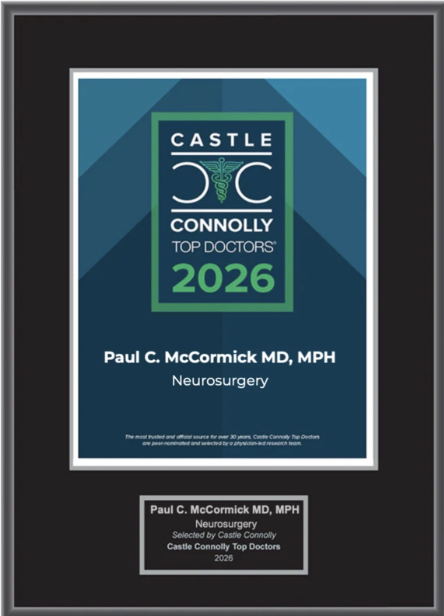
Dr. McCormick named as one of Castle Connolly’s Top United States and New York Doctors/Neurosurgery for 25 consecutive years.
| Header | Text |
| Summary | Arachnoid = one of the protective membranes around the brain and spinal cord Arachnoid cysts are fluid-filled sacs that may develop in a membrane around the brain or spinal cord. At the Spine Hospital at the Neurological Institute of New York, we specialize in spinal arachnoid cysts. (For more information about arachnoid cysts in the brain, click here.) The spinal cord and brain are bathed and protected by a fluid called cerebrospinal fluid (CSF). Three layers of membrane cover the brain and spinal cord, sealing in the CSF. When the CSF builds up inside one of the layers, called the arachnoid, the result is an arachnoid cyst. Arachnoid cysts can be found at any level of the spine: the cervical spine (spine in the neck), the thoracic spine (in the upper and mid back), and lumbar spine (in the lower back). |
| Symptoms | Symptoms of a spinal arachnoid cyst depend on its size and location. Many spinal arachnoid cysts cause no symptoms at all. However, if the cyst is large enough, it can compress the spinal cord and surrounding nerves. In these cases, patients may experience pain, weakness, or numbness in the back, arms, or legs. Large arachnoid cysts in the lumbar spine may also cause loss of bladder and/or bowel control (cauda equina syndrome), cramping or pain with walking (neurogenic claudication), or sharp pain that radiates through the buttock, hip, leg and/or foot (sciatica). If left untreated, spinal arachnoid cysts may cause permanent severe neurological damage. |
| Causes and Risk Factors | Several theories exist about the exact cause(s) of spinal arachnoid cysts and the mechanism(s) of their development. Research is still ongoing, and to date no one is certain which theory is correct. Researchers do know that most spinal arachnoid cysts begin during infancy. They are the result of a congenital (in-born) problem with the arachnoid layer. Referred to as primary cysts, these are usually found in the thoracic spine (upper and mid back). However, some spinal arachnoid cysts, called secondary cysts, develop later in life. These cysts develop after an infection, trauma, bleeding, or surgery. They are more common in males than in females, and can appear at any spinal level. |
| Tests and Diagnosis | Spinal arachnoid cysts are often found by chance when patients undergo testing for other conditions. This is called an incidental finding. Most spinal arachnoid cysts found incidentally cause no symptoms and need no treatment. However, if a spinal arachnoid cyst has not been identified and a patient presents with symptoms associated with the condition, the doctor may order the following diagnostic procedures:
Note that the symptoms of a spinal arachnoid cyst are similar to symptoms of other conditions that interfere with the spinal cord or nearby nerves. Before arriving at a definitive diagnosis, a doctor may need to rule out other problems, such as tumor, infection, or herniated disc. At the same time, spinal arachnoid cysts may be present without causing any symptoms at all. If a cyst is discovered, but it does not explain a patient’s symptoms, the cyst may not be the source of symptoms. |
| Treatments | When a spinal arachnoid cyst causes symptoms, surgery may be necessary to remove it. Some types of cysts can be removed completely, and the defect that allowed them to form can be closed. In other cases, this approach is not possible. Then the neurosurgeon may perform one of the following procedures:
Choice of surgical procedure depends on factors such as the cyst type, size, and location. An experienced neurosurgeon can determine the best procedure for each patient. |
| Preparing for Your Appointment | At The Spine Hospital at The Neurological Institute of New York our spinal neurosurgeons are experts in the evaluation and management of patients with an arachnoid cyst. Drs. Paul C. McCormick, Michael G. Kaiser, Peter D. Angevine, Alfred T. Ogden, Christopher E. Mandigo, Patrick C. Reid, Richard C.E. Anderson (Pediatric), and Neil A. Feldstein (Pediatric) are experts in treating arachnoid cysts. They can also offer a second opinion. |
Helpful Surgery Overviews
Dr. McCormick will choose the treatment method specific to each patient and situation. Some of the condition’s treatment options may be listed below.
Recent News
Dr. McCormick named as one of Castle Connolly’s Top United States and New York Doctors/Neurosurgery for 25 consecutive years.
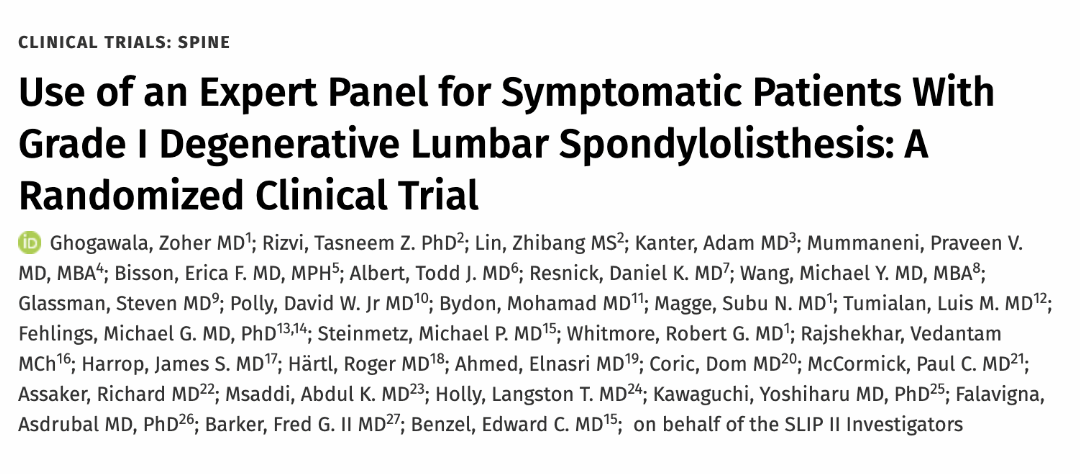
Dr. McCormick participated as both a member of the expert panel as well as a co-author of recently published randomized study on the treatment of grade 1 degenerative spondylolisthesis. This condition commonly occurs in adult patients and is subject to numerous types...
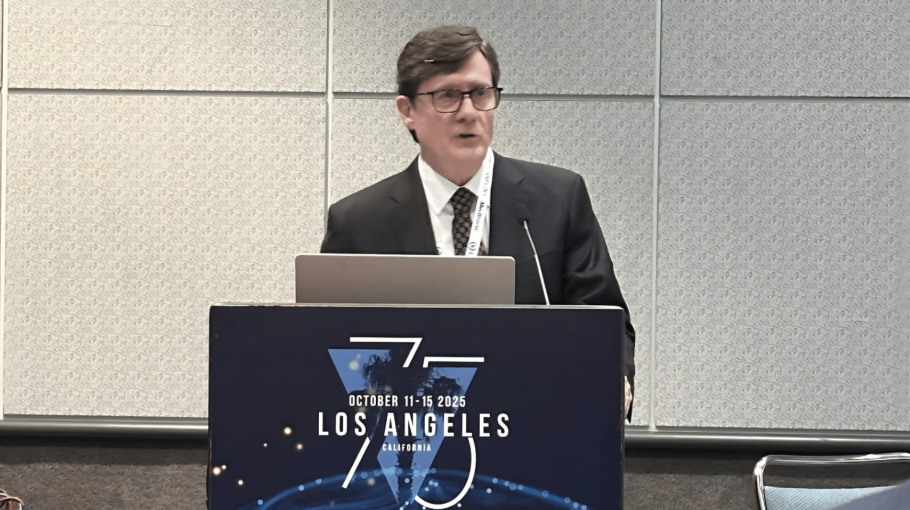
Dr. McCormick was invited to present his experience on the evaluation and microsurgical management of intramedullary spinal cord tumors. Dr. McCormick described his techniques and illustrated on video the safe and complete microsurgical resection of both an...