
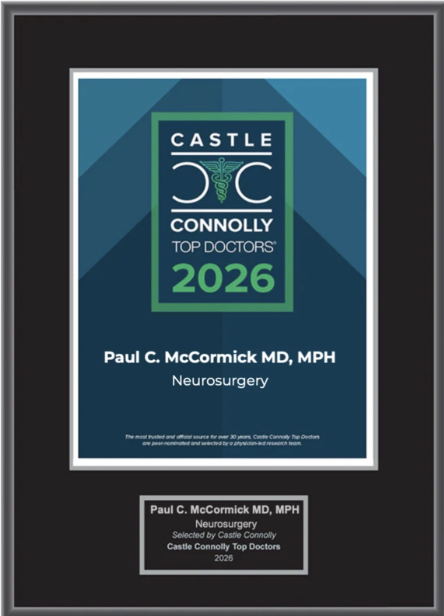
Dr. McCormick named as one of Castle Connolly’s Top United States and New York Doctors/Neurosurgery for 25 consecutive years.
| Header | Text |
| Summary | Lipomas are benign growths that are made up of normal adipose tissue (i.e., fat cells). They may rarely arise in the spinal cord or in the filum terminale, the thin fibrous tissue that connects to the bottom of the spinal cord. Lipomas are considered developmental or inclusion tumors because they are caused by an error in fetal development in which normal adipose tissue remains stuck to developing spinal cord tissue. Dermoids and epidermoids are also considered developmental inclusion tumors. Developmental tumors may be associated with other abnormalities such as birthmarks, a hairy skin patch, or skin dimples near the level of the developmental tumor. Abnormalities of the vertebrae may also occur, a condition called spina bifida occulta. Because these conditions are associated with abnormal development they are referred to as dysraphic conditions. |
| Symptoms | In many patients, lipomas do not produce symptoms and no treatment is needed. Treatment may be indicated, however, if symptoms are present. Weakness and numbness in the legs may lead to walking difficulties as well as bowel and bladder problems. These symptoms can be caused either by pressure of the lipoma on the spinal cord or by excess tension on the spinal cord, a so-called tethered spinal cord. |
| Tests and Diagnosis | MRI is the most useful imaging study for diagnosing a lipoma. CAT scan may also show the lipoma, and it will also identify any developmental abnormalities of the vertebrae. |
| Treatments | Treatment of symptomatic spinal lipomas consists of microsurgical removal of the lipoma. In cases where there is tethering of the spinal cord, usually from lipomas of the filum terminale, a release of the tension is achieved by removing all the attachments and releasing the filum terminale. A video of a successful micro-neurosurgical removal of a spinal lipoma by Dr. Paul McCormick is provided below. Microsurgical Resection of Iintramedullary Spinal Cord Lipoma
|
| Preparing for Your Appointment | At The Spine Hospital, our spinal neurosurgeons are experts in the evaluation and management of patients with Lipoma/ Lipo Myelominingiocele (pediatric term). Drs. Paul C. McCormick, Neil A. Feldstein and Patrick C. Reid are experts in treating Lipoma. Dr. Richard C. E. Anderson is an expert in treating the pediatric condition lipomyelomeningocele. Each doctor can offer you a second opinion. |
Helpful Surgery Overviews
Dr. McCormick will choose the treatment method specific to each patient and situation. Some of the condition’s treatment options may be listed below.
Recent News
Dr. McCormick named as one of Castle Connolly’s Top United States and New York Doctors/Neurosurgery for 25 consecutive years.
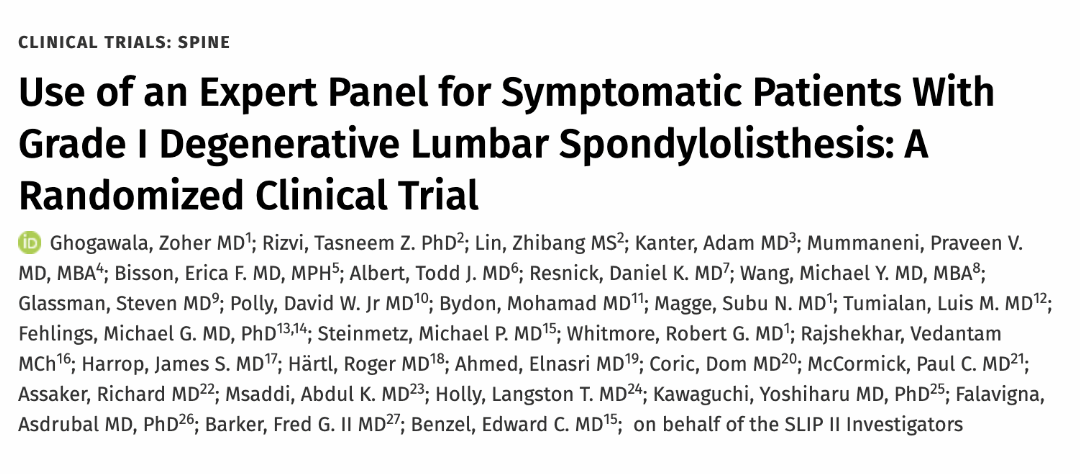
Dr. McCormick participated as both a member of the expert panel as well as a co-author of recently published randomized study on the treatment of grade 1 degenerative spondylolisthesis. This condition commonly occurs in adult patients and is subject to numerous types...
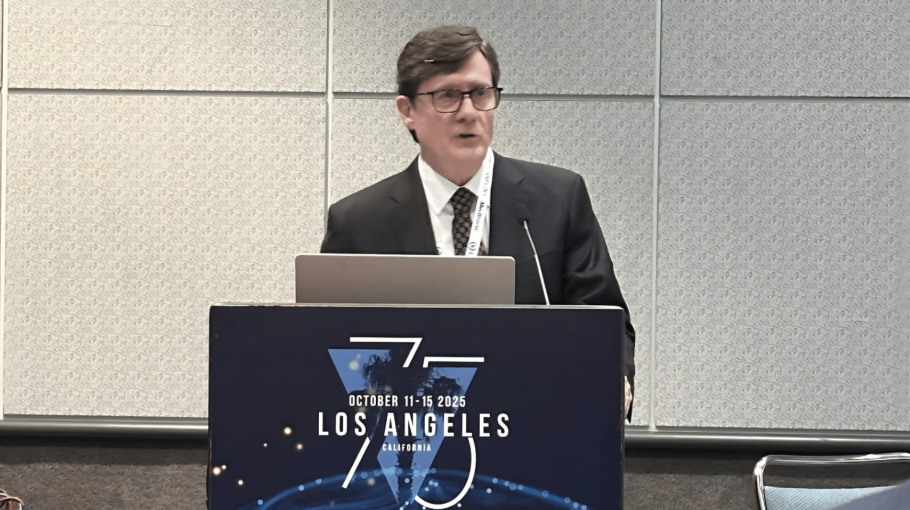
Dr. McCormick was invited to present his experience on the evaluation and microsurgical management of intramedullary spinal cord tumors. Dr. McCormick described his techniques and illustrated on video the safe and complete microsurgical resection of both an...