
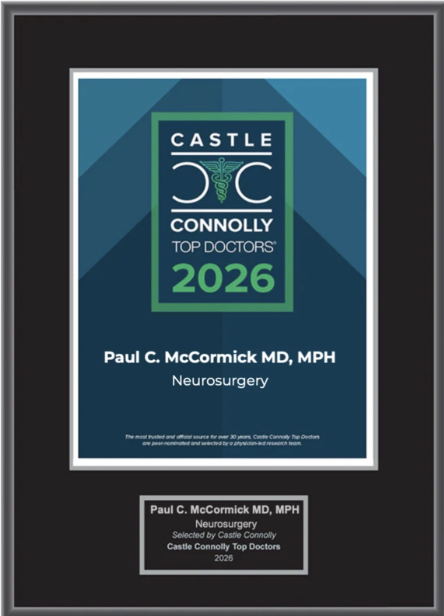
Dr. McCormick named as one of Castle Connolly’s Top United States and New York Doctors/Neurosurgery for 25 consecutive years.
| Header | Text |
| Summary | Osteoid = a substance produced by cells that make new bone Osteoid osteomas are small, benign bone tumors. Osteoid osteomas most commonly occur in the legs, hands, fingers and spine. At the Spine Hospital at the Neurological Institute of New York, we specialize in osteoid osteomas of the spine. The bones of the spine are called vertebrae, and osteoid osteomas tend to affect the posterior (rear) portions of the vertebrae. They can occur in vertebrae at any level: cervical (neck), thoracic (upper- and mid-back), lumbar (lower back), or sacral (base of the spine). Osteoid osteomas do not grow larger than 1.5-2 centimeters, or about .75 inches. A related tumor type, osteoblastoma, is very similar, but is usually larger than 2 cm. |
| Symptoms | Osteoid osteomas are known for causing a constant dull, aching pain. The pain is not made worse with activity, and is very often relieved by NSAIDs (nonsteroidal anti-inflammatory drugs, like aspirin). It is often worse at night, sometimes even waking people from sleep. Spinal osteoid osteoma may cause muscle spasms that produce scoliosis, or a bending and twisting of the spine. This is especially common with osteoid osteomas in the lumbar region. Scoliosis caused by muscle spasm is generally painful. Some osteoid osteomas, however, cause no symptoms at all. |
| Causes and Risk Factors | The causes of osteoid osteoma are not yet understood. It is a relatively common bone tumor. It is more common in males than females, and equally common across races. Most people diagnosed with osteoid osteoma are in the first, second and third decades of life. |
| Tests and Diagnosis | The following tests may be used in the diagnosis of osteoid osteoma:
|
| Treatments | Spinal osteoid osteomas are often managed conservatively (non-surgically) when possible. In general, the pain caused by osteoid osteomas is particularly well-suited for treatment with NSAIDs. Many patients find lasting relief with this type of management, without any of the drawbacks or potential risks of surgery. Some cases prove difficult to manage with NSAIDs. In these cases, surgery to remove the tumor relieves the pain. Recurrence rate of the tumor after surgery is low. Spinal osteoid osteomas that cause muscle spasm and scoliosis should be effectively treated, by either measure, before the scoliosis develops into a structural problem. |
| Preparing for Your Appointment | Drs. Paul C. McCormick, Michael G. Kaiser, Peter D. Angevine, Alfred T. Ogden, Christopher E. Mandigo and Patrick C. Reid are experts in treating osteoid osteomas. Dr. Richard C. E. Anderson is an expert in treating pediatric osteoid osteomas. They can also offer you a second opinion. |
Helpful Surgery Overviews
Dr. McCormick will choose the treatment method specific to each patient and situation. Some of the condition’s treatment options may be listed below.
Recent News
Dr. McCormick named as one of Castle Connolly’s Top United States and New York Doctors/Neurosurgery for 25 consecutive years.
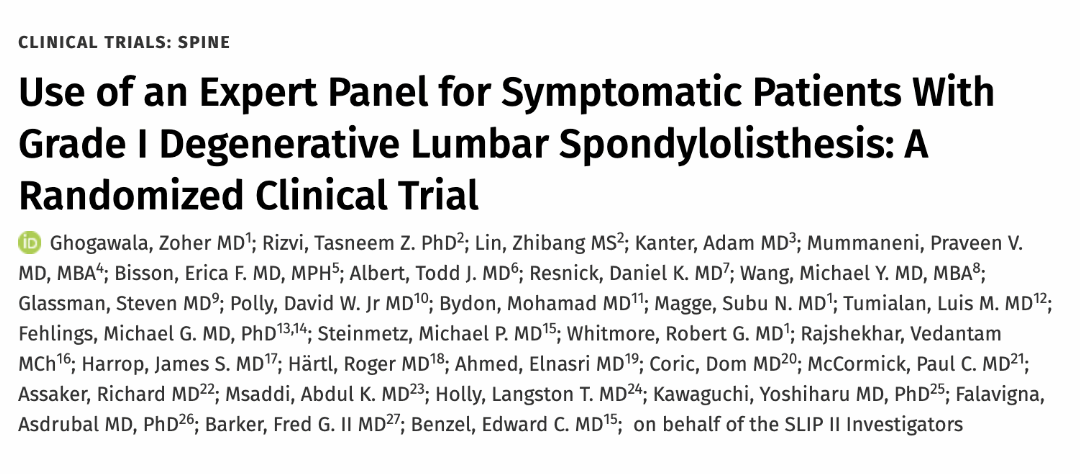
Dr. McCormick participated as both a member of the expert panel as well as a co-author of recently published randomized study on the treatment of grade 1 degenerative spondylolisthesis. This condition commonly occurs in adult patients and is subject to numerous types...
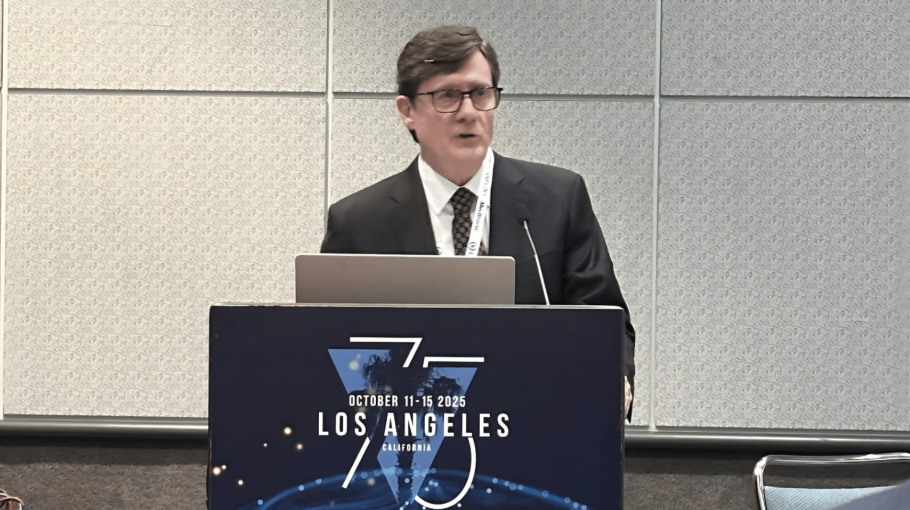
Dr. McCormick was invited to present his experience on the evaluation and microsurgical management of intramedullary spinal cord tumors. Dr. McCormick described his techniques and illustrated on video the safe and complete microsurgical resection of both an...