
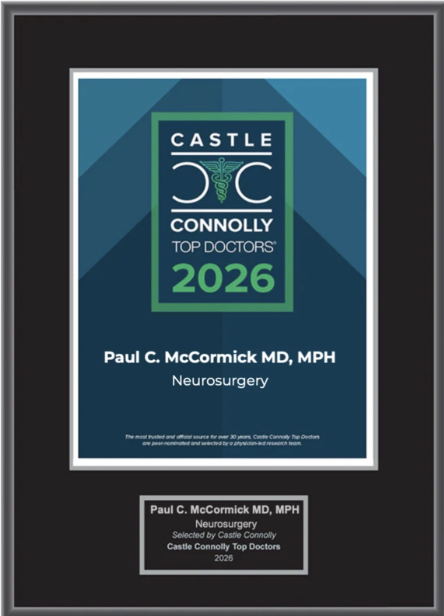
Dr. McCormick named as one of Castle Connolly’s Top United States and New York Doctors/Neurosurgery for 25 consecutive years.
| Header | Text |
| Summary | Pinched = sharply squeezed or compressed Nerves deliver sensory information from body to brain, and also carry movement instructions from brain to body. Compression (squeezing) of a nerve disrupts these functions and can result in tingling, numbness, or pain. This is called a pinched nerve. At The Spine Hospital at The Neurological Institute of New York, we specialize in pinched spinal nerves. The spinal nerves branch off of the spinal cord, connecting it with the body. Another name for a pinched spinal nerve is radiculopathy. Sciatica is one well-known kind of radiculopathy. It results from compression, or pinching, of the sciatic nerve–a large nerve that innervates the legs and feet. |
| Symptoms | Exact symptoms depend on the nerve affected. A pinched nerve root in the cervical spine (spine in the neck) may cause pain, numbness, or tingling in the arms and hands. A pinched nerve root in the lumbar (lower) spine may cause the same symptoms, but in the hips, buttocks, legs, or feet. |
| Causes and Risk Factors | The spinal nerves leave the spinal canal through small bony openings called foramen. They are adjacent to many other structures of the spine: ligaments, joints, vertebrae, and the flexible discs between vertebrae. Any of these structures may impinge on a nerve, pinching it and producing symptoms. Conditions that may result in a pinched nerve include: |
| Tests and Diagnosis | In most cases, a detailed physical exam is enough to diagnose a pinched nerve. However, further testing may be necessary to determine the cause of the pinched nerve. The following studies may help:
|
| Treatments | Some cases of pinched nerve are best treated with non-operative measures such as medication and physical therapy. In other cases, surgery is the treatment of choice. Dr. McCormick and his team has extensive experience evaluating individual cases and patients, and tailoring the correct treatment to each patient. |
| Preparing for Your Appointment | Drs. Paul C. McCormick is an expert in treating conditions that cause pinched spinal nerves. He can also offer you a second opinion. For information about types of pinched nerves besides spinal nerves, visit the webpage of Dr. Christopher J. Winfree who is an expert in treating non-spine related pinched nerves. |
Helpful Surgery Overviews
Dr. McCormick will choose the treatment method specific to each patient and situation. Some of the condition’s treatment options may be listed below.
Recent News
Dr. McCormick named as one of Castle Connolly’s Top United States and New York Doctors/Neurosurgery for 25 consecutive years.
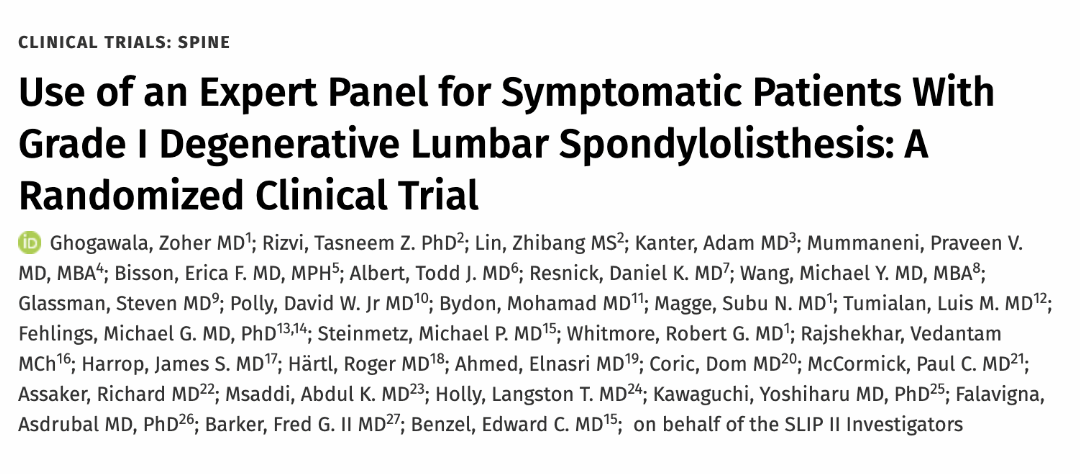
Dr. McCormick participated as both a member of the expert panel as well as a co-author of recently published randomized study on the treatment of grade 1 degenerative spondylolisthesis. This condition commonly occurs in adult patients and is subject to numerous types...
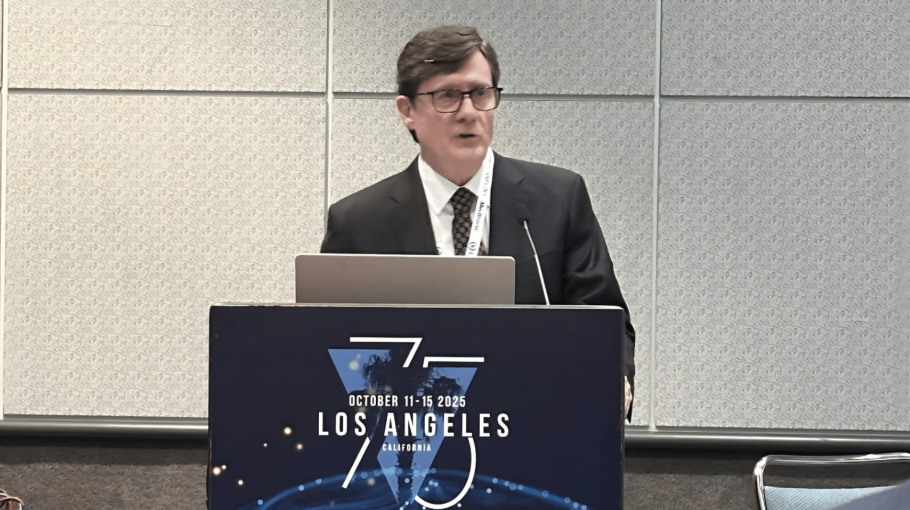
Dr. McCormick was invited to present his experience on the evaluation and microsurgical management of intramedullary spinal cord tumors. Dr. McCormick described his techniques and illustrated on video the safe and complete microsurgical resection of both an...