
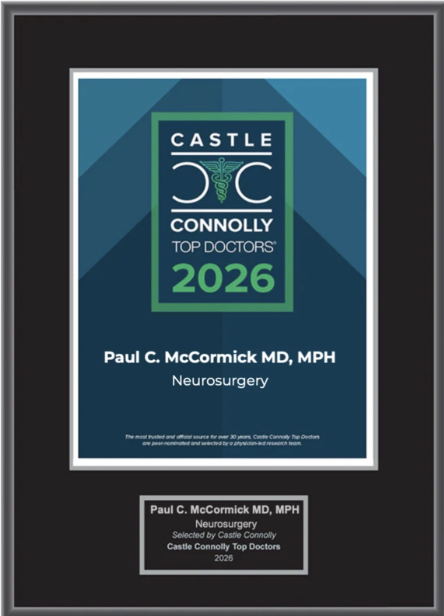
Dr. McCormick named as one of Castle Connolly’s Top United States and New York Doctors/Neurosurgery for 25 consecutive years.
| Header | Text |
| Summary | Tethered = fastened or tied down Tethered cord is an umbrella term for several different conditions. The common factor in all tethered cord conditions is that the spinal cord’s movement is restricted at its base. Therefore, during everyday activities, the spinal cord cannot move up and down inside the spinal canal. Instead, it pulls against the restriction. In some cases this pull on the spinal cord is minimal and unlikely to cause damage. In more severe cases, the pressure can permanently injure the delicate tissues of the spinal cord. Tethered cord may be congenital (present at birth, a result of developmental malformation) or it may be acquired (arise later in life). Congenital tethering is usually discovered in childhood, but not always. In some cases congenital tethering is not discovered, or not diagnosed correctly, until adulthood. Diagnosis of congenital or acquired tethered cord is relatively rare in adults. |
| Symptoms | In adults, symptoms of tethered cord often develop slowly, but they can become quite severe. Symptoms may include back pain that radiates to the legs, hips, and the genital or rectal areas. The legs may feel numb or weak, and may lose muscle. Bladder and bowel control may be difficult. Back pain from tethered cord is often aggravated by bending slightly forward, by sitting upright with crossed legs, or by holding a moderate weight (such as a baby or a stack of books) at waist level. This pattern of pain is sometimes called the “3-B sign” for bending, Buddha-sitting, and baby-holding. |
| Causes and Risk Factors | Tethered cord can occur due to other congenital defects of the spine. The various congenital causes include:
Tethered cord can also arise in a previously normal spine. Possible causes of a tether in a previously normal spine include:
|
| Tests and Diagnosis | Adult tethered cord is rare. Red flags that might lead a doctor to suspect tethered cord include any of its symptoms (although the same symptoms can be caused by a number of other spinal cord conditions); a previous diagnosis of a congenital spinal malformation; a history of cancer, infection, spine surgery; or spinal cord injury. A doctor may test a patient’s muscle strength or ask the patient to move in different ways. A patient may receive magnetic resonance (MR) or computed tomography (CT) imaging, or ultrasound. Once tethered cord is diagnosed, the surgeons at The Spine Hospital at The Neurological Institute of New York may run a few additional tests. Tethered cord conditions may cause syrinxes, or fluid-filled cysts, elsewhere in the spinal cord. The pressure exerted by a syrinx can also damage the spinal cord. For this reason it is a good idea to scan the entire spinal cord, and potentially the brain, prior to treatment. |
| Treatments | The neurosurgeons at The Spine Hospital at The Neurological Institute of New York believe that surgery may not be needed for every adult with tethered cord. In adult patients with no symptoms or minimal symptoms, careful observation may be an appropriate course of action. When surgery is the best choice, our surgeons tailor the operation to the cause of the tether. In general, for any type of tether surgery, the bones of the spinal column are opened from behind to expose the full extent of the spinal cord tethering. The cause of the tether is identified, carefully isolated and released to relieve any further tension on the spinal cord.. Our doctors often work collaboratively with neurophysiologists to monitor spinal cord and nerve function during the delicate operations. This precise monitoring can help minimize risk to the spinal cord, nerves and nerve roots. |
| Preparing for Your Appointment | Drs. Paul C. McCormick, Michael G. Kaiser, Peter D. Angevine, Alfred T. Ogden, Christopher E. Mandigo, Patrick C. Reid, Richard C.E. Anderson (Pediatric), and Neil A. Feldstein (Pediatric) are experts in treating tethered cord in adults. Each can also offer you a second opinion. |
Helpful Surgery Overviews
Dr. McCormick will choose the treatment method specific to each patient and situation. Some of the condition’s treatment options may be listed below.
Recent News
Dr. McCormick named as one of Castle Connolly’s Top United States and New York Doctors/Neurosurgery for 25 consecutive years.
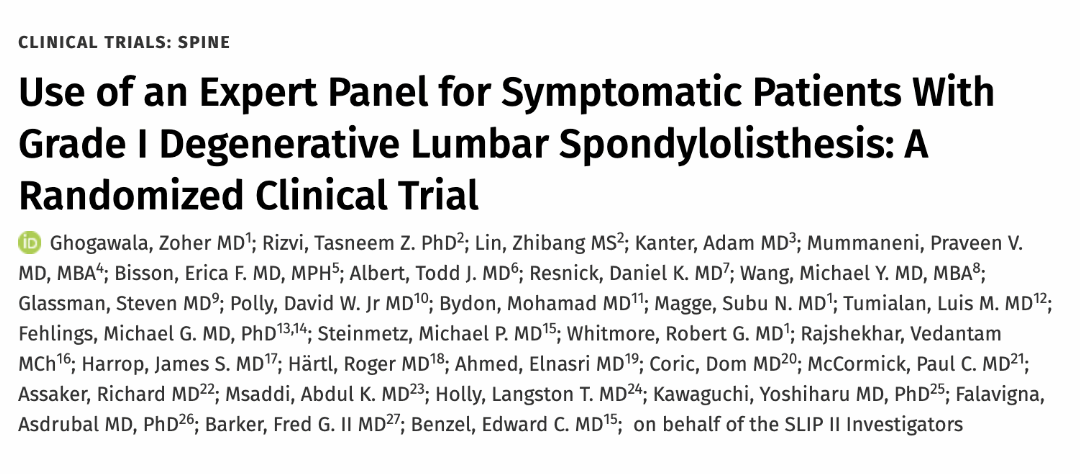
Dr. McCormick participated as both a member of the expert panel as well as a co-author of recently published randomized study on the treatment of grade 1 degenerative spondylolisthesis. This condition commonly occurs in adult patients and is subject to numerous types...
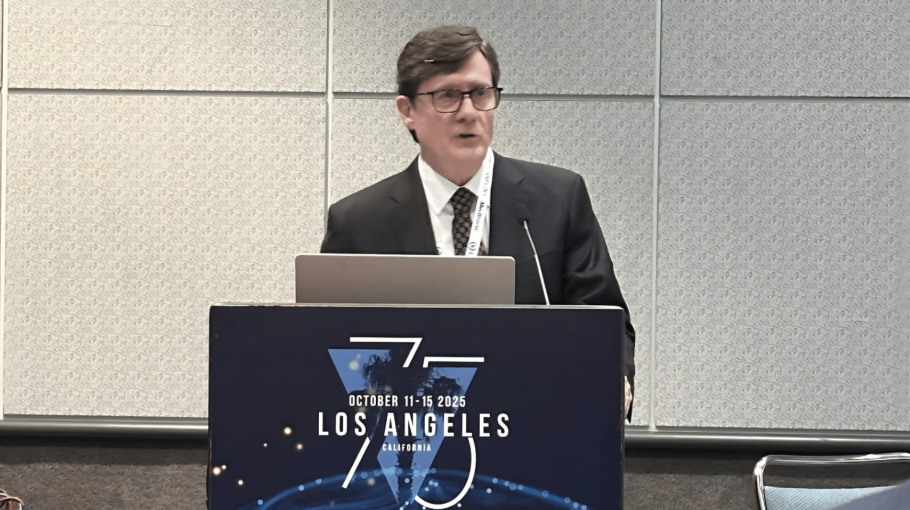
Dr. McCormick was invited to present his experience on the evaluation and microsurgical management of intramedullary spinal cord tumors. Dr. McCormick described his techniques and illustrated on video the safe and complete microsurgical resection of both an...