
Dr. McCormick named as one of Castle Connolly’s Top United States and New York Doctors/Neurosurgery for 25 consecutive years.

| Header | Text |
| Summary | Compression = the application of strong pressure |
| Symptoms | Compression fractures may or may not cause symptoms. If compression fractures cause symptoms, these may include:
A compression fracture that occurs suddenly can be very painful, but a compression fracture that occurs gradually may cause pain only gradually. |
| Causes and Risk Factors | Rarely, compression fractures occur in healthy vertebrae as a result of trauma. More often, the vertebra with a compression fracture is already weakened. The most common cause of weakening is osteoporosis, a condition that causes weak and brittle bones. Osteoporosis is most common in elderly women, and it is for this reason that elderly women are the group most affected by compression fracture. Less frequently, the vertebra may be weakened by a tumor or infection. |
| Tests and Diagnosis | To diagnose compression fracture, a doctor will take a complete medical history and perform a physical examination. If a compression fracture is suspected, the doctor may order the following diagnostic procedures:
Since compression fractures usually occur in weakened bone, doctors may order additional tests to look for osteoporosis, tumor or infection. |
| Treatments | For the most part, nonoperative treatments are recommended for compression fracture. These treatments include pain medications and modified physical activity. The doctor may recommend wearing a brace that helps support the back and prevents bending forward, and therefore removes pressure from the fractured vertebrae. Vertebral fractures typically take about three months to fully heal. The doctor will order X-rays monthly to see how the fracture is healing. If the fracture is caused by osteoporosis, treatment of the osteoporosis can help prevent additional fractures. Treatment may include calcium and vitamin D supplements, bisphosphonates, and weight bearing exercises. Surgery may be necessary if the spine appears to be unstable. The surgeon may perform a vertebroplasty or a kyphoplasty. During these surgical procedures, the surgeon injects a cement mixture into the fractured bone to stabilize the fracture, treat pain, and prevent a spinal deformity from progressing. In some cases, the surgeon may need to perform a spinal stabilization and fusion surgery to support the spine until the bone heals. During these procedures, the surgeon places a bone graft across the area of instability, allowing the vertebrae to fuse (grow together). The surgeon secures the spine with an internal fixation implant, using screws and rods, to hold the vertebrae in place while the bone heals. The surgeon will tailor the treatment to each individual patient and specific presentation. |
| Preparing for Your Appointment | Drs. Paul C. McCormick, Michael G. Kaiser, Peter D. Angevine, Alfred T. Ogden, Christopher E. Mandigo, Patrick C. Reid and Richard C.E. Anderson (Pediatric) are experts in treating compression fractures. They can also offer you a second opinion. |
Helpful Surgery Overviews
Dr. McCormick will choose the treatment method specific to each patient and situation. Some of the condition’s treatment options may be listed below.
Recent News
Dr. McCormick named as one of Castle Connolly’s Top United States and New York Doctors/Neurosurgery for 25 consecutive years.
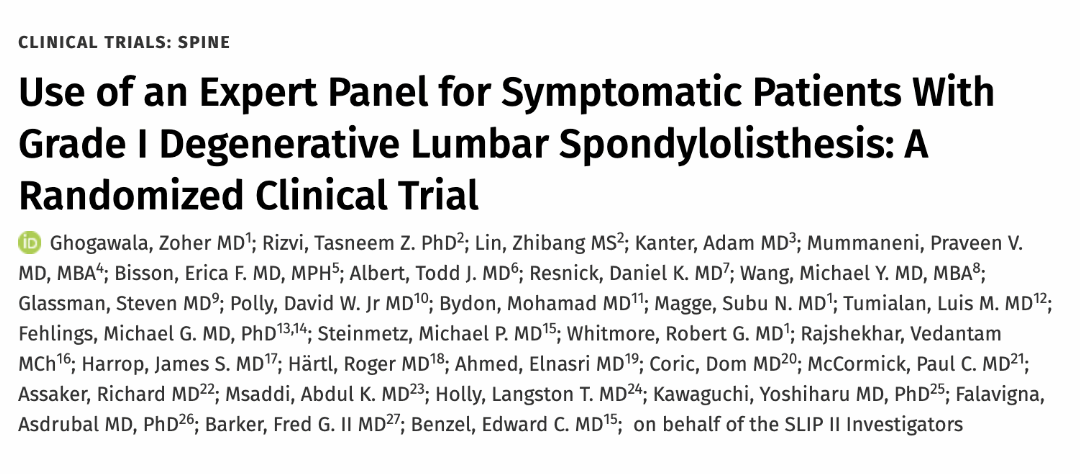
Dr. McCormick participated as both a member of the expert panel as well as a co-author of recently published randomized study on the treatment of grade 1 degenerative spondylolisthesis. This condition commonly occurs in adult patients and is subject to numerous types...
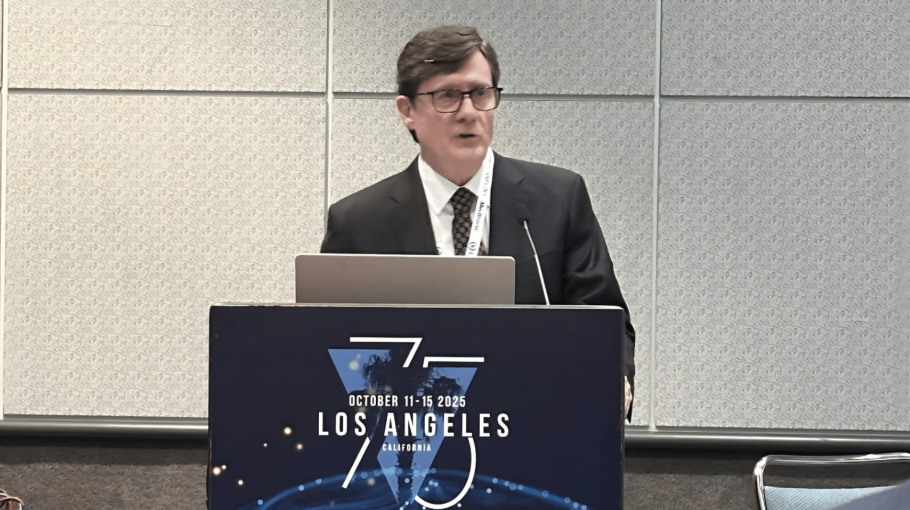
Dr. McCormick was invited to present his experience on the evaluation and microsurgical management of intramedullary spinal cord tumors. Dr. McCormick described his techniques and illustrated on video the safe and complete microsurgical resection of both an...