
Dr. McCormick named as one of Castle Connolly’s Top United States and New York Doctors/Neurosurgery for 25 consecutive years.

| Header | Text |
| Summary | Metastatic = having to do with the spread of cancer in the body The spread of any cancer is called metastasis (meh-TAS-tih-sis). A metastatic tumor is one that has spread from cancer in another part of the body. A metastatic spinal tumor, therefore, is a tumor that first started in another place in the body and spread to the spine. A metastatic tumor is sometimes called a secondary tumor. The original tumor, located elsewhere in the body, is called the primary tumor. The metastatic spinal tumor grows in the spine, but it is composed of cells from the primary tumor. |
| Symptoms | Symptoms of a metastatic spinal tumor depend on the tumor’s size and location. A substantial minority cause no symptoms at all. As metastatic spinal tumors grow, they may weaken the vertebrae. A compression fracture may eventually occur in the weakened vertebrae. In some cases, a compression fracture is the first symptom of a metastatic spinal tumor. Sometimes these tumors cause pain as they grow. This pain is usually described as an aching pain in the bones that is not relieved by rest. (In fact, the pain is often worse during the night or upon waking in the morning.) |
| Causes and Risk Factors | Common primary tumors for spinal metastasis are lung, breast and prostate cancers. Cells that break off from these tumors travel through the body, usually through the bloodstream. Many of these cells will die, but some may lodge and grow in a new location, such as the bones of the spine. |
| Tests and Diagnosis |
A more thorough evaluation may sometimes be necessary to identify the primary site of the tumor and/or other possible secondary tumors. Such evaluations may include a detailed health history and physical exam, LAB work (blood tests), bone scan, PET (positron emission tomography) scan, CT of the chest, and a percutaneous biopsy in which a needle is inserted into the tumor through the skin. |
| Treatments | Spinal metastasis is a result of a cancer that has spread, so treating the spinal tumor itself will not cure the cancer. However, there are many treatments available to shrink the tumor or slow or stop its growth, relieve pain or neurological symptoms caused by the tumor, and maintain the stability of the spine. Depending on the type of tumor, radiation therapy and chemotherapy may be used to slow, stop, or shrink it. Oral medications, including analgesics, anti-inflammatory, and neuropathic medications, can help treat nerve pain. Steroid treatment may help relieve bone pain. Surgical removal of metastatic spinal tumors can rapidly and effectively relieve pressure on the spinal cord or nerve roots. This generally provides relief from neurological symptoms like radiating pain, numbness, weakness, clumsiness, etc. If the tumor compromises the stability of the spine, surgery to stabilize the spine with metallic implants may be useful. |
| Preparing for Your Appointment | Drs. Paul C. McCormick, Michael G. Kaiser, Peter D. Angevine, Alfred T. Ogden, Christopher E. Mandigo, Patrick C. Reid, Richard C.E. Anderson (Pediatric), and Neil A. Feldstein (Pediatric) are experts in treating metastatic spinal tumors. They can also offer you a second opinion. |
Helpful Surgery Overviews
Dr. McCormick will choose the treatment method specific to each patient and situation. Some of the condition’s treatment options may be listed below.
Recent News
Dr. McCormick named as one of Castle Connolly’s Top United States and New York Doctors/Neurosurgery for 25 consecutive years.
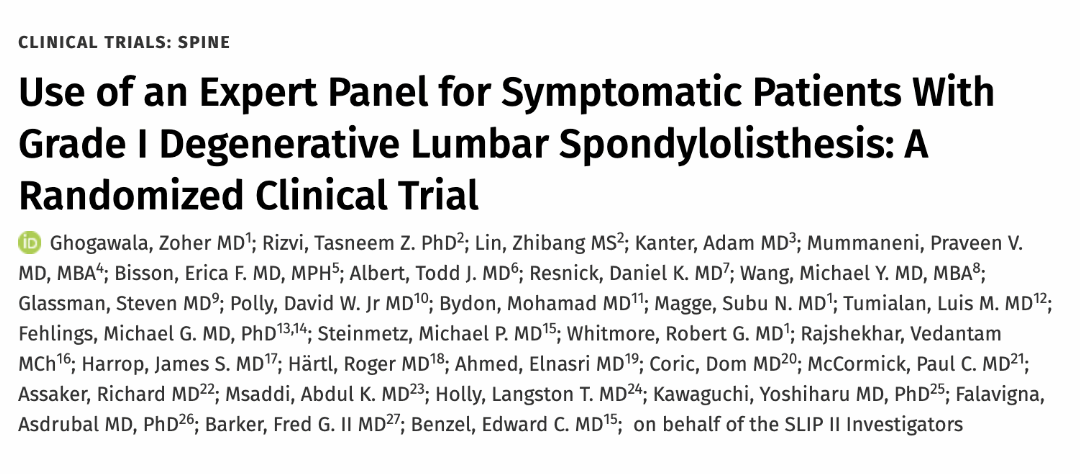
Dr. McCormick participated as both a member of the expert panel as well as a co-author of recently published randomized study on the treatment of grade 1 degenerative spondylolisthesis. This condition commonly occurs in adult patients and is subject to numerous types...
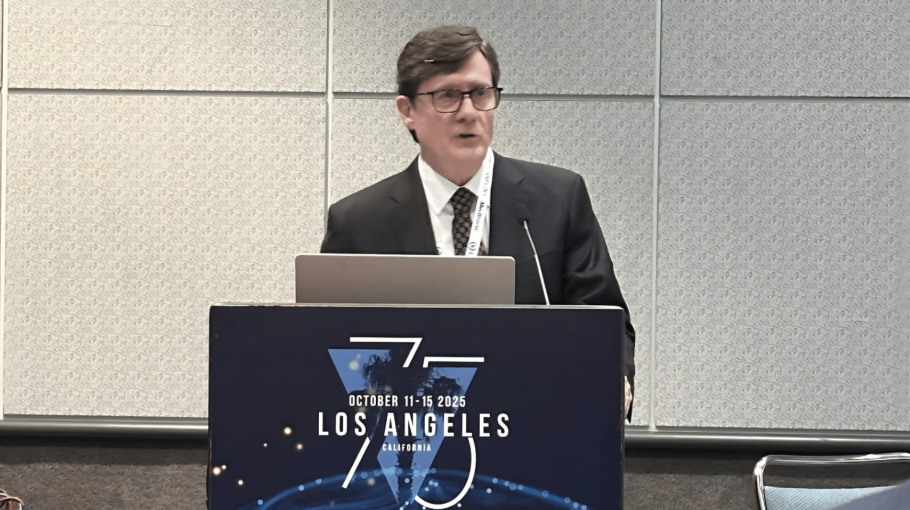
Dr. McCormick was invited to present his experience on the evaluation and microsurgical management of intramedullary spinal cord tumors. Dr. McCormick described his techniques and illustrated on video the safe and complete microsurgical resection of both an...