
Dr. McCormick named as one of Castle Connolly’s Top United States and New York Doctors/Neurosurgery for 25 consecutive years.

| Header | Text |
| What is Cervical Microdiscectomy? | Cervical = having to do with the spine in the neck A cervical microdiscectomy is a procedure in which a surgeon uses a microscope and microsurgical tools to remove a portion of a damaged disc in the cervical spine (neck). |
| When is this Procedure Performed? | A cervical microdiscectomy is performed for certain patients with a herniated disc in the cervical spine. A herniated disc can compress (put pressure on) the nerves that exit the spinal cord. (This condition is sometimes known as a pinched nerve.) Compression of a nerve in the cervical spine can cause pain, tingling, numbness or weakness in the shoulders, arms or hands. Before surgery is considered, the doctor may recommend nonoperative measures such as pain medications and physical therapy. However, if these nonoperative measures do not provide the relief needed, surgery may be considered. |
| How is this Procedure Performed? | A cervical microdiscectomy is a minimally invasive surgery. Minimally invasive surgery is performed with advanced techniques that minimize injury to the body, leave less scarring, and allow for a faster recovery.  Tubular dilators This procedure is performed under general anesthesia. In order to access the spine, the surgeon will use tubular dilators (tubes of expanding diameter) to create a channel through the muscles of the neck. The surgeon may then remove a small portion of the lamina and facet joint (a procedure called a laminoforaminotomy) to reveal the herniated disc and the inflamed nerve. Using microsurgical tools, the surgeon will remove the portion of the disc that compresses the nerve. |
| How Should I Prepare for this Procedure? | Make sure to tell your doctor about any medications that you’re taking, including over the counter medication and supplements, especially medications that can thin your blood such as aspirin. Your doctor may recommend you stop taking these medications before your procedure. To make it easier, write all of your medications down before the day of surgery. Be sure to tell your doctor if you have an allergy to any medications, food, or latex (some surgical gloves are made of latex). On the day of surgery, remove any nail polish or acrylic nails, do not wear makeup and remove all jewelry.wigs/hairpiece. Also, you will need to remove contact lenses, eyeglasses, and dentures. If staying overnight, bring items that may be needed, such as a toothbrush, toothpaste, and dentures. |
| What Should I Expect After the Procedure? | Patients are usually discharged on the day of surgery or the next morning. Patients are usually encouraged to walk as soon as possible, often on the day of surgery. In general, patients are encouraged to increase their activities as they are able to tolerate, but should refrain from strenuous exercise until cleared by their surgeon. The surgeon will schedule a follow up visit, typically 4-6 weeks after surgery. Physical therapy is rarely required. If physical therapy is needed, it will typically be started at the time of the follow up visit. Physical therapy will focus on strengthening the neck and increasing range of motion. |
| Preparing for Your Appointment | Drs. Paul C. McCormick, Michael G. Kaiser, Peter D. Angevine, Alfred T. Ogden, Christopher E. Mandigo, Patrick C. Reid and Richard C.E. Anderson (Pediatric) are experts in cervical microdiscectomy.
|
Helpful Surgery Overviews
Dr. McCormick will choose the treatment method specific to each patient and situation. Some of the condition’s treatment options may be listed below.
Recent News
Dr. McCormick named as one of Castle Connolly’s Top United States and New York Doctors/Neurosurgery for 25 consecutive years.
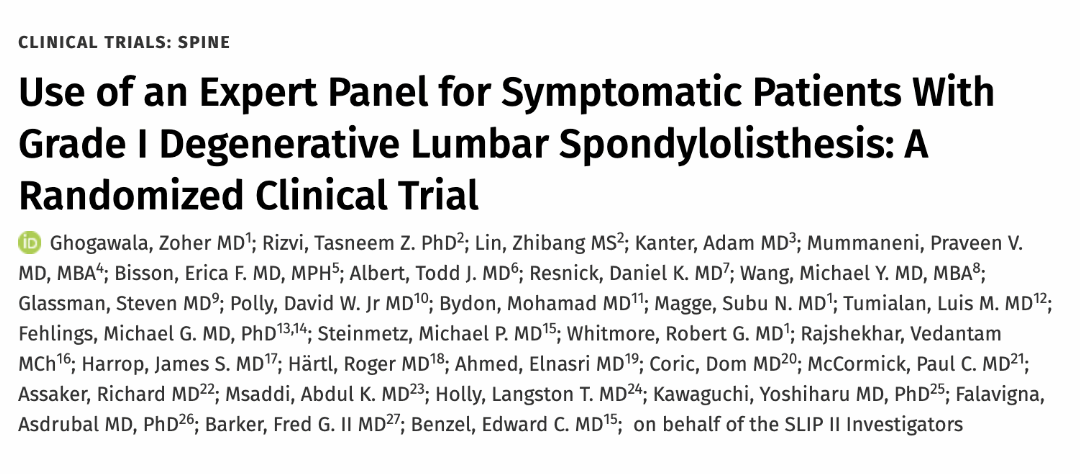
Dr. McCormick participated as both a member of the expert panel as well as a co-author of recently published randomized study on the treatment of grade 1 degenerative spondylolisthesis. This condition commonly occurs in adult patients and is subject to numerous types...
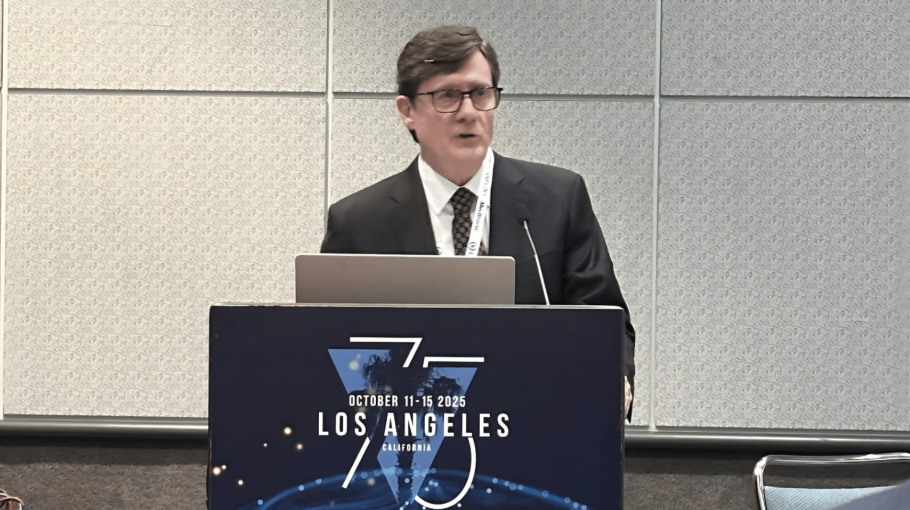
Dr. McCormick was invited to present his experience on the evaluation and microsurgical management of intramedullary spinal cord tumors. Dr. McCormick described his techniques and illustrated on video the safe and complete microsurgical resection of both an...